EPIC
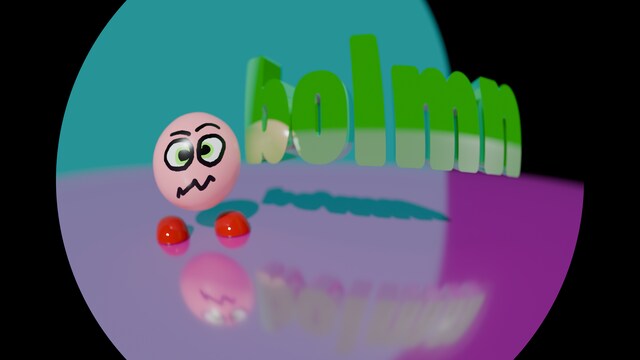
In Bolmn, escaping the mirror means fighting yourself
A whip, a bomb and a pinball table share the same level of a three-dimensional adventure that refuses to settle on one way to play.
Ended on August 27
The record starts on August 9.
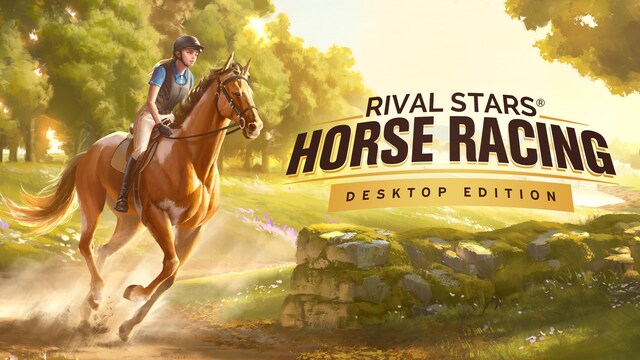
Those who raise their own bloodline of horses praise the system; those who compare it with the mobile version feel they're playing catch-up.
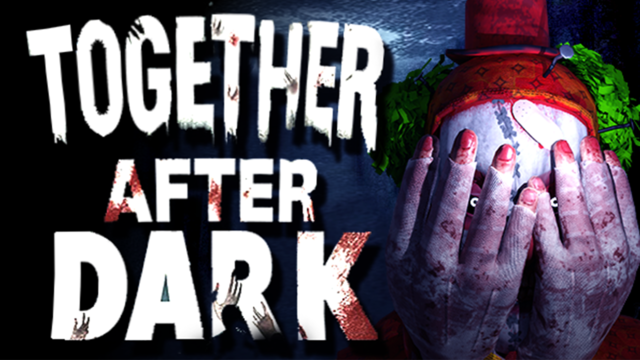
The verdicts pull in opposite directions with no clear winner, and the line between the players who laughed and the ones who got annoyed is always the same: the company each of them dragged into the woods.
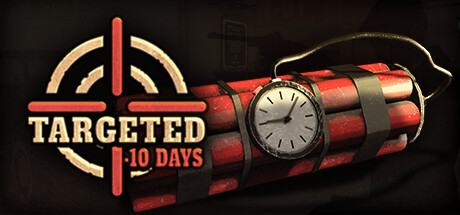
A single-room escape room with no shooting and no chase: sweep the garage, find the anomaly, and decide whether it's safe to turn the key.
A whip, a bomb and a pinball table share the same level of a three-dimensional adventure that refuses to settle on one way to play.
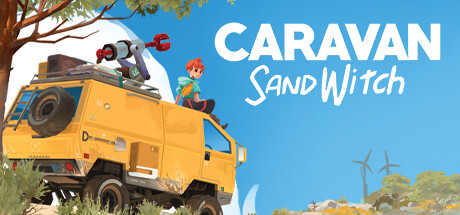
The art and the soundtrack are the one thing nobody argues about; the script's gender-neutral language is another matter, and it's what divides the players who finish from the ones who quit.
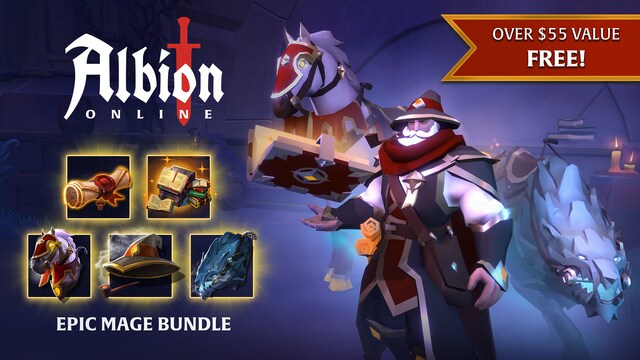
The very economy players build together is what leaves those who arrive alone most exposed.
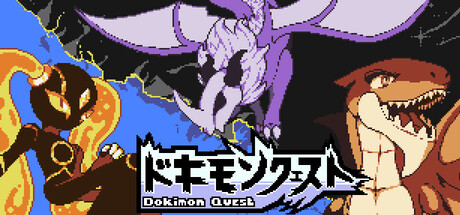
A monster-catching RPG that players themselves describe in two tones: they praise the art and the retro devotion, and take issue with the repetition in its attacks and in what it leaves unexplained.
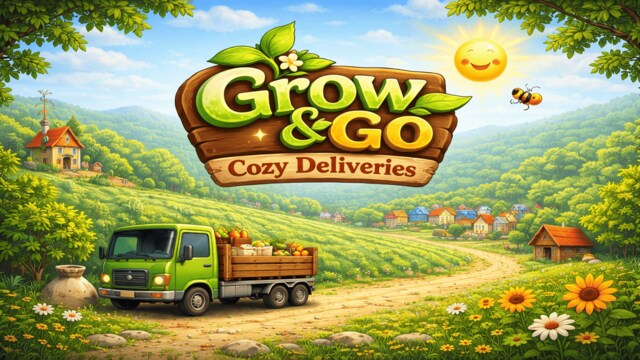
Between the harvest and the road, the game bets everything on the pace of someone in no hurry to arrive.
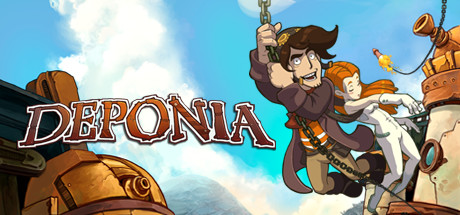
A junkyard world, a fall from the sky, and puzzles so twisted that even the players who praise the game admit they reached for a walkthrough.
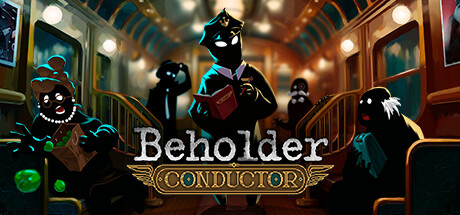
This Beholder spin-off swaps the setting for a train cutting across a fictional country under the Ministry's eye — and splits players between praising the atmosphere and griping about the lack of a save button.
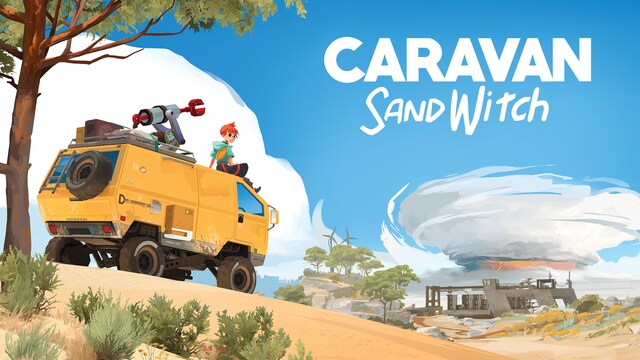
The very script that moves one set of players is, for another, the reason they walk away halfway through — and the split shows up in the reviews themselves.
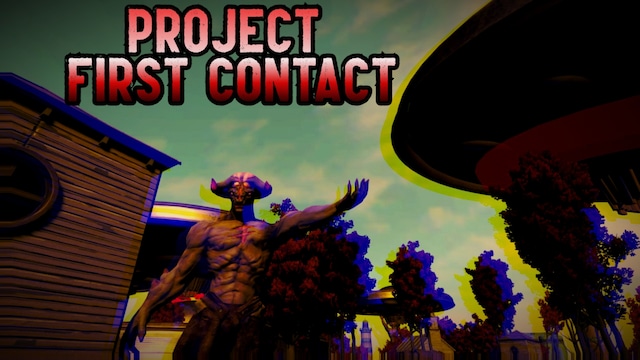
A first-person horror game that Atomic Fabrik built and released on its own, about a humanity on alert and the moment you stop trusting your own eyes.
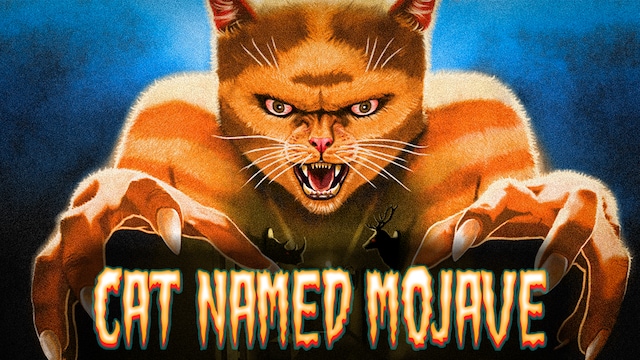
A short, surreal horror game that means to unsettle you — and comes recommended for exactly that reason.
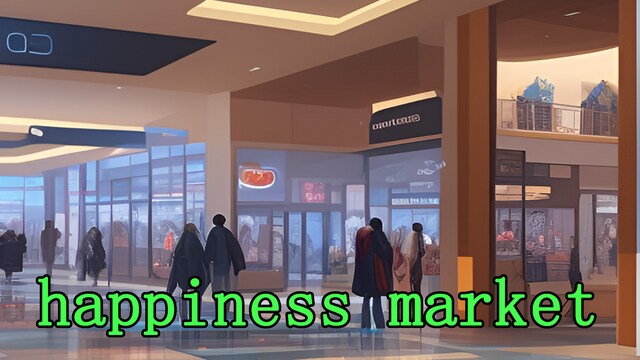
It has exactly one review anywhere in the world — from someone who went broke twice, never figured out half the icons, and recommends it anyway.
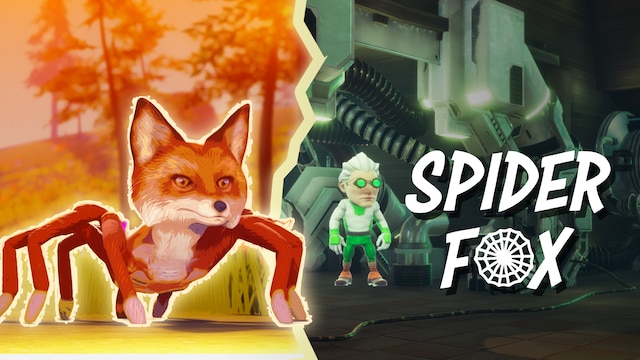
The work of a one-person studio, it stakes everything on a single task — healing one creature after another — and that's where the players who unwind part ways with the ones who tire of it.
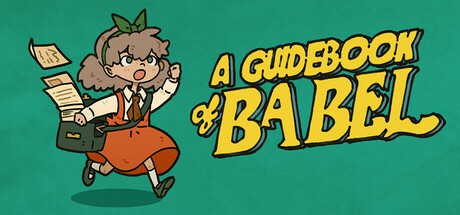
Beneath the picture-book art, tragedies buried in the relics — and a slow pace that divides even those who reached the end.
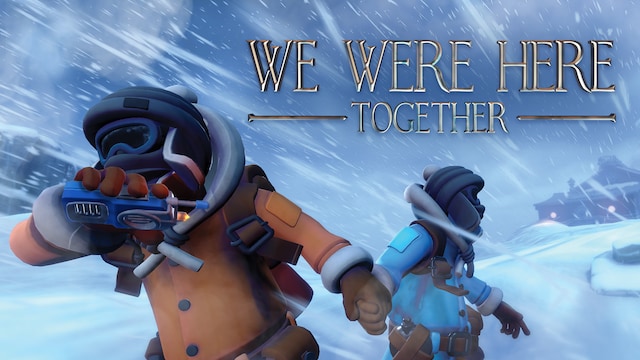
A co-op game where the puzzle yields less to your logic than to your patience for describing, to someone who can't see your screen, whatever is right in front of you.
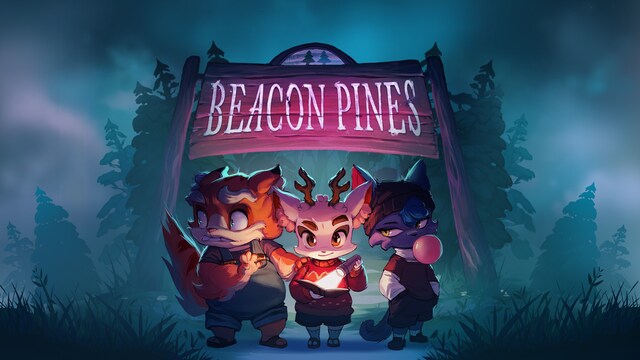
The promise is to rewrite fate with every word you slot into place; the complaint that comes up most often—and even from those who recommend it—is that the path is narrower than the book lets on.
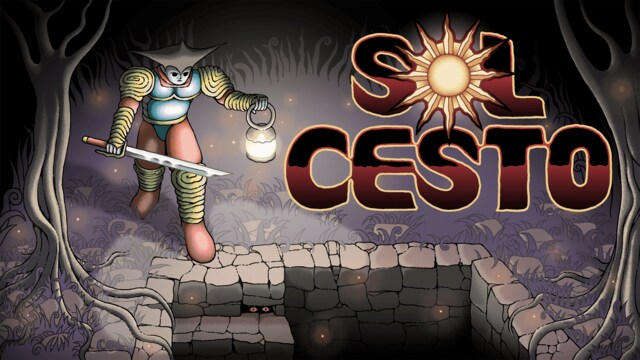
Those who love it and those who hate it describe the same game with the same word: a gamble.
Near-unanimous reviews hide a lone criticism that points to the very thing everyone praises: a pace in no hurry to get anywhere.
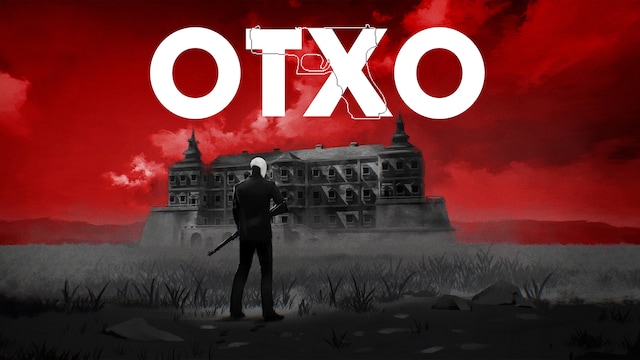
The bartender trades every sip for a fresh ability, yet the very Focus that promises the player control is the complaint you hear most from those who walk away halfway through.
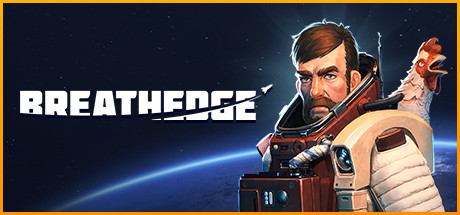
The same relentless humor that wins some over sends others quitting before the first hour is up — and it's there, not in the oxygen, that the game is decided.
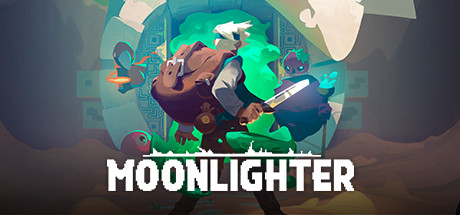
Being merchant and hero at once is a charming idea — until the controls get in the way.