EPIC · MOBILE
Shredder's Revenge: the Channel 6 heist that drags the Turtles all the way to Dimension X
Six people fit on one brawling screen, yet it is solo, on the highest setting, that the game splits its players hardest.
Ended on September 28
The record starts on September 3.
Klei Entertainment's first game is back after years off sale, and it splits the people playing it: some praise the room to improvise a way through, others complain that every level has exactly one right answer.
Six people fit on one brawling screen, yet it is solo, on the highest setting, that the game splits its players hardest.
Pocket-sized battles with pieces that rebuild themselves after every defeat — except that working out the game takes more effort than winning it.
Praise for the army of pieces, complaints about an interface that explains nothing: the Oriol Cosp Games strategy title splits even the players who recommend it.
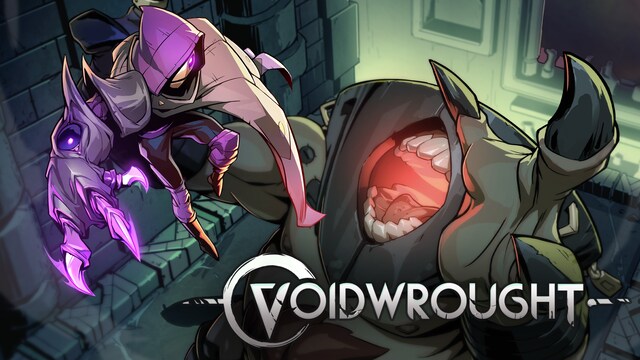
A studio lets you swap your whole loadout mid-stride — and charges you for it in corridors that ask to be walked twice.
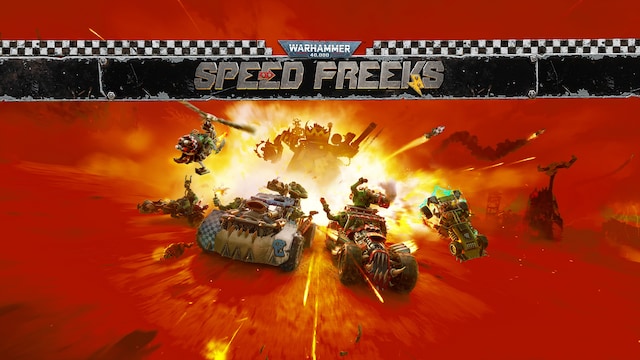
Light vehicles, tanks and helicopters: Caged Element is betting that speed counts as a weapon of war too.
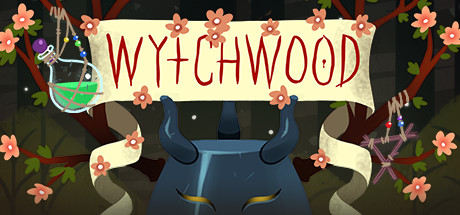
Between ingredients foraged in the woods and spells boiled down in the cauldron, every character who wanders into the story leaves that cabin with a sentence already handed down.

A co-op brawler that hits home for anyone who grew up splitting a controller — and that stutters right when the punch lands.

The custom soundtrack sells itself in minutes; what settles the game is whether its beat tracking holds up over long hours of play.
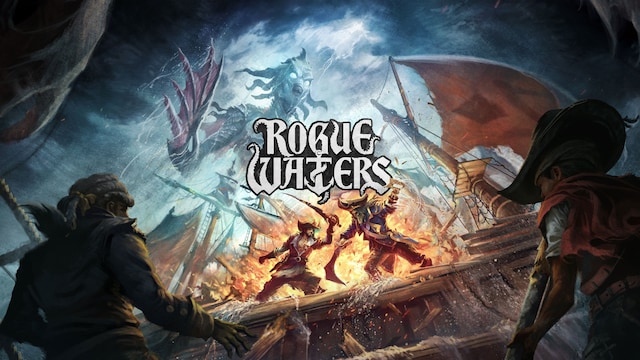
Tactical combat that rewards perfect math — and cannot always tell a player's mistake from its own.
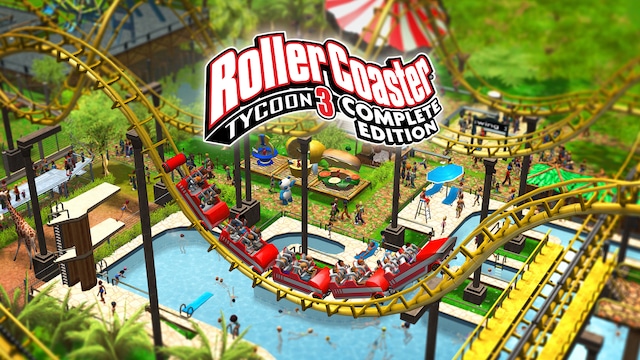
Between a park that rewards patience and a technical base from another era, the real split runs through the details, not the genre.
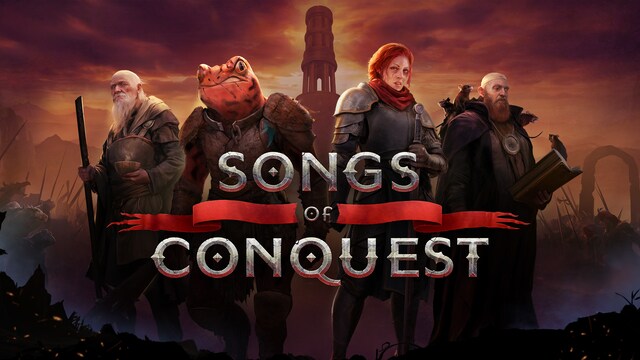
The same mana system that hooks the most dedicated players is what drives off anyone short on patience.

The same map that stirs up childhood memories is also the reason players cite most often when they walk away halfway.
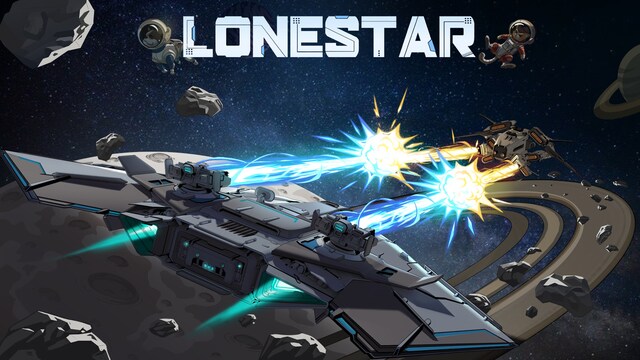
The store page sells it as card strategy aboard starships. Players who have sunk hours into it say the real engine of the system is something else.
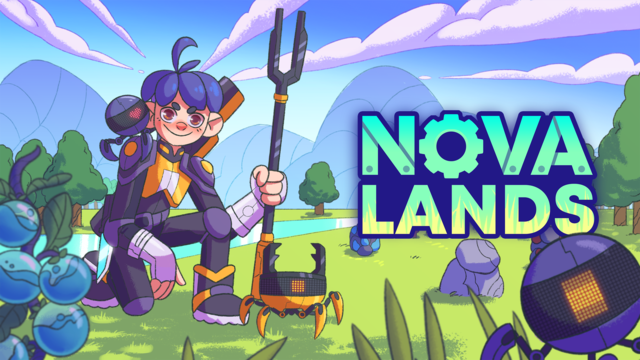
Some players praise the calm of its automation, others stall in an endgame built on waiting — what they really disagree about is how much patience is worth.

The sharpest complaint of the bunch has nothing to do with farming — it is aimed at the company that ships the game.
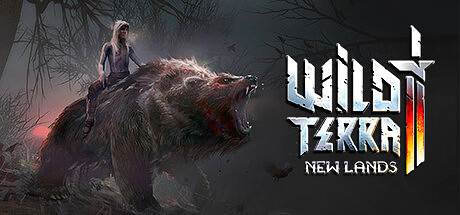
A classless medieval MMORPG shaped by the people who play it — and the community still standing is split over how much of their time this world has the right to claim.

Even players who steer others away from the game grant it one thing: every ball behaves like the stuff it is made of.
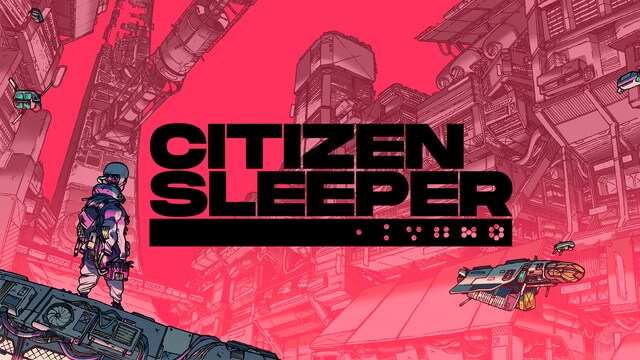
Built on tabletop RPG bones, the game trades full control for dice that decide what there is time to do — and not every player takes the deal.
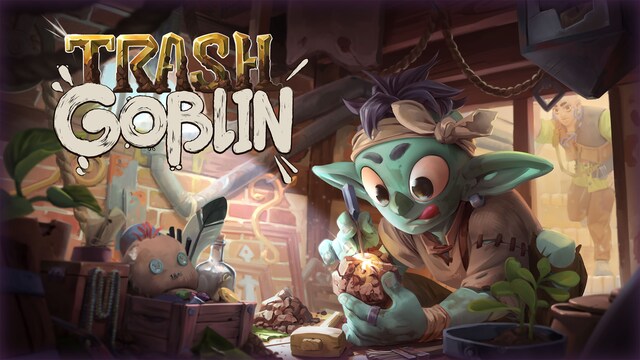
The store page itself pushes back on the simulation tag stamped on it — the game would rather define itself by one repeated motion: scraping away grime to find whatever is worth selling.
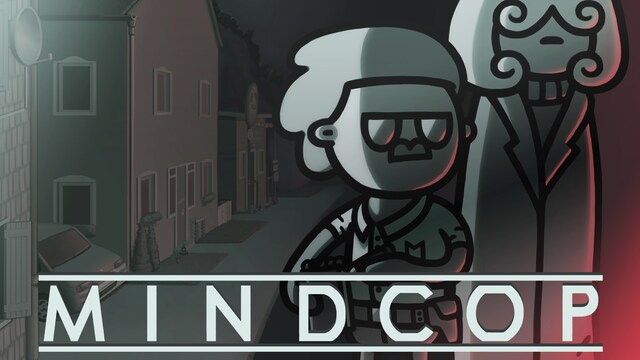
Five days to catch a killer, two possible endings — and the same race against the clock that cracks the case makes a second run through Merrylin Crater Camp wearier than the first.
Between the player who bails early and the one who can't step away from the board, the difference comes down to whether you enjoy losing your way to mastery.

Built and published by the same small team, this mutant shooter is a solo affair with no co-op — and it wins over the very players who opened its store page expecting little.
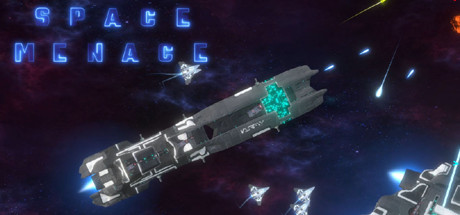
A lone commander adrift in a hostile vacuum, and the players who tried it complain they can't even find a map.
Borrowed heroes from other franchises get you in the door; it's the falling crystals that make you stay.

Between the device that tracks clues by day and the holograms you sit down with after dark, the game insists that investigating a death and getting to know someone are one and the same gesture.
More than 125 plane builds fill the hangar; outside it, there's only survival — no campaign to guide the pilot.
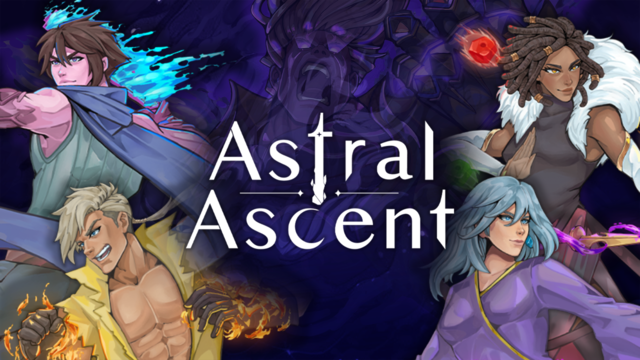
Four escapees, fast-paced combat, and a run that punishes anyone who has to get up from their chair partway through.

A lone survivor, a scanner that recovers the fate of every colonist, and the colony's troubled artificial intelligence as your only company through the day.

The same twist some players call a stroke of genius is, for others, exactly why they never touch the game again.

Stay for the story and you'll forgive the easy puzzles; come for a real game and you'll forgive nothing.
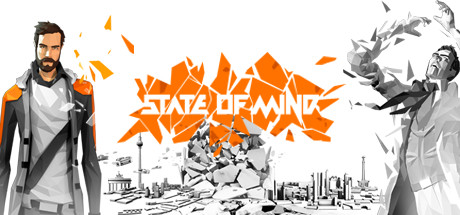
A story about what remains of identity once the mind can be turned into a file splits players between admiration for its plot and the complaint that the promised investigation never arrives.
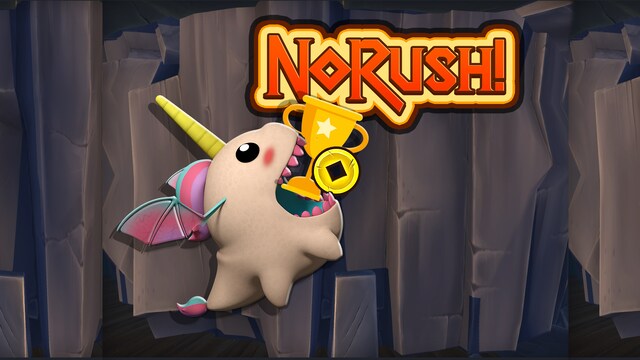
The handful of players who've climbed it describe an ascent that's beautiful and cruel in equal measure, held together by jumps that chain into one another with every click.
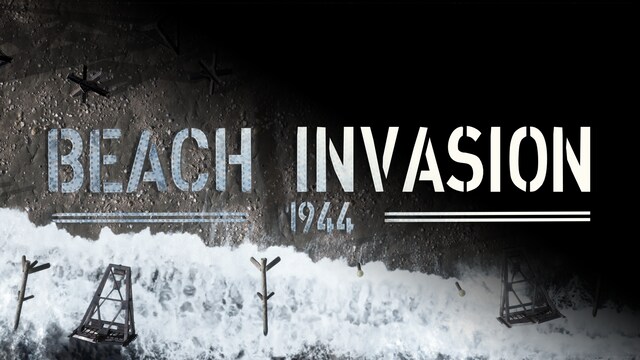
An on-rails shooter that still hands you the reticle in measured doses — and it's right at that crossover that a fair share of players get stuck.

Players and quitters end up praising the same thing: the beauty left standing once the puzzles fall too easily.
The studio's smart-mouthed humor wins over as many players as it drives away; the real question is how long each one keeps laughing before the joke wears thin.