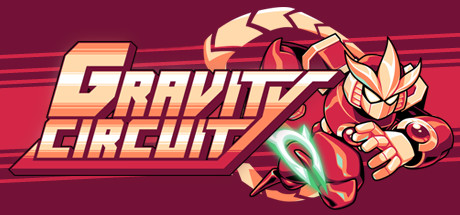
Gravity Circuit: the last soldier of a war that was supposed to be over
It’s no longer being given away · it costs US$18.68 again
See it in the store ↗This page stays as a record of what was given away.
Availability can vary by region.
The same grappling hook that hurls Kai across the stages is what made part of the crowd that tried the game put the controller down.
A forgotten soldier against the army he already beat
Decades after defeating the Virus Army, Kai is pulled back into active duty. The old enemy climbs out of the shadows with a single plan: total domination of the world for the sentient robots still left. The Guardian Squads have nobody else to field, so they turn to the one fighter from that war still standing — and Kai says yes, kitted out with the powers that give the game its name, the Gravity Circuit.
The solo campaign runs 12 stages, and each one tests its own mix of combat and movement against its own cast of enemies and bosses. Kai fights up close: he charges energy into his fists, throws whoever stands in his way, and uses the same hook that slings him across the scenery to clear spikes and pits. The stages hide civilians to rescue — every rescue unlocks a new power — plus secrets for anyone who steps off the main route.
Kai won't be fighting alone in the sequel
Studio Domesticated Ant Games has already confirmed the follow-up: Gravity Circuit 2 lands on PC in 2027 and keeps Kai alongside a brand-new hero, Cable. On the first game's third anniversary, the studio put forward one more name from the sequel, Jet, with a preview of the soundtrack for his water stage.
The debt to Mega Man, paid back with interest
The comparison that comes up again and again on the favourable side is always the same one: Mega Man X, Mega Man Zero. Not as a copy — as an inheritance put to good use. Someone who spent 13 hours with the game calls the inspiration obvious and says the studio did a great deal with it: memorable bosses, difficulty that grates at times but ends up satisfying. Another player, with 7 hours logged on September 18, singles out the range of animation for powers, characters and enemies, and picks a supporting figure, Kernel, as a favourite — enough to download the soundtrack and listen to it away from the game.
Praise for the movement repeats too. A 14-hour write-up describes the blend of hook and enemy grabbing as a clever way to give the stages rhythm, and recounts combing every environment for secrets, rescues and powers purely for the pleasure of finding everything. The player who reached 49 hours — the longest stretch on the favourable side — calls the handling fluid and smooth, and in the middle of the praise asks for something the game still lacks: Brazilian Portuguese subtitles. The same piece turns up where it shouldn't: in the account of someone who plays a single hour and is already irritated by the hook that is meant to help across pits and spikes, and that insists on aiming straight ahead when the player asks for a diagonal.
The hook that won't point where the player sends it
The complaint that repeats on the other side has a name: the hook. One player with under an hour of play gives the lowest score of the stack and sums up the rope handling as broken. Another, also at 1 hour, gets stuck in the very first stage: they can't find the wall jump the passage calls for, go looking for instructions somewhere in the game and come up empty. A third, this one with 6 hours — more time than most of the complainers — goes past the hook and points out an irony: the game is called Gravity Circuit and at no point does it let the player truly manipulate gravity. A name promising a power the game doesn't deliver.
It is the same piece the favourable one-hour write-up had already flagged, even while recommending the game: for the critics, the hook isn't merely awkward, it fails of its own accord, shoves the player into holes and charges a big slice of energy for a mistake the player didn't make. The double jump helps work around it, according to the one who reached that conclusion in play — but only after patience with the rope had already run out.
Who gets past the first stumble, and who doesn't
The split between the two stacks of write-ups isn't about liking the game or not — it's about how much each player tolerates the hook and whether they decide it's worth carrying on. Those who ride out that first friction reach the stages that draw matching praise: memorable bosses, secrets, a soundtrack people carried outside the game. Those who don't stop inside the first hour, and that is what the shortest write-ups on the other side show, nearly every one of them pinned to the starting line. Gravity Circuit doesn't ask for unlimited patience, it asks for a specific kind: patience with a rope that misses its aim and makes the player pay for it. Anyone who has had that patience with another platformer will recognise the bargain; anyone who hasn't will feel the same stumble in the very first stage.